


IC-CC304
Icon Accessory for LeakPro Leak Detection Cable
Cable Accessory
Price on quote · 4 business hours
Icon Process Controls instruments for liquids in pipes and tanks: paddle wheel, magnetic and ultrasonic flow meters, float, tuning-fork and radar level sensors, pressure gauges, switches and transmitters, leak detectors and alarms, and ITC controllers.


Cable Accessory
Battery
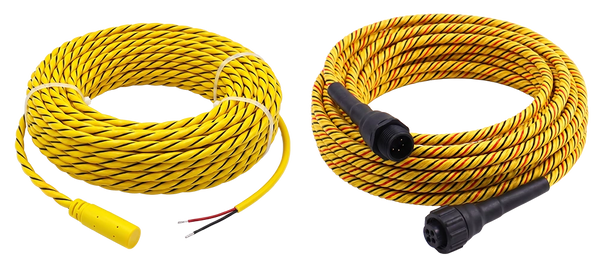
Wetted Material: PE
Enclosure
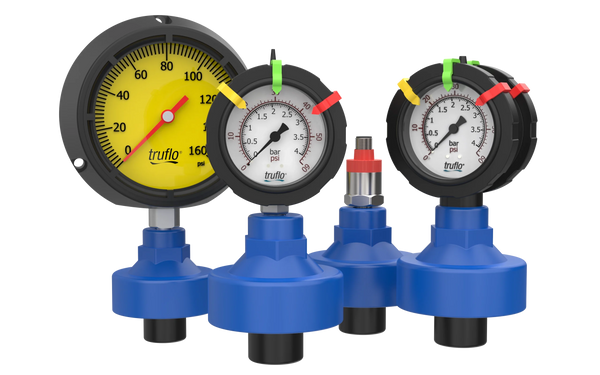
Max Pressure: 200 psi | Wetted Material: PVC / PP / PVDF
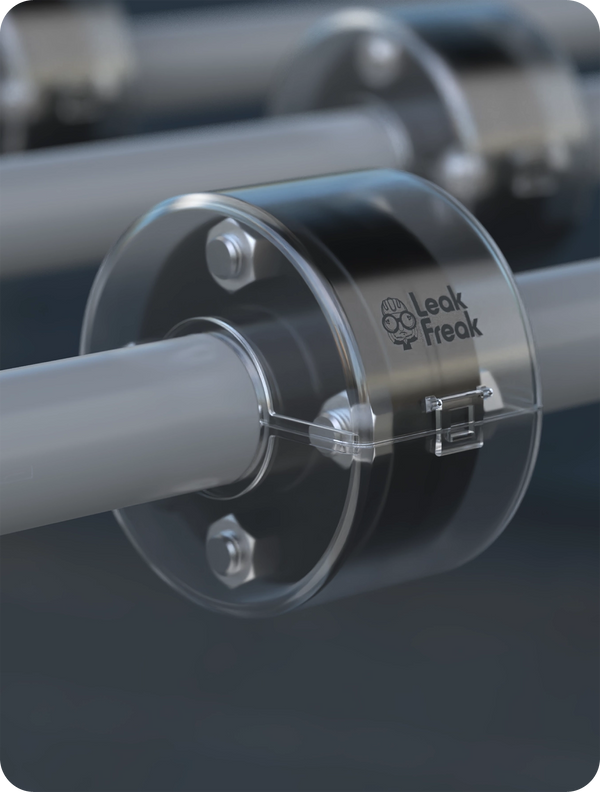
Pipe Size: 1/2 - 12 in | Wetted Material: PP

Pipe Size: 1/2 - 24 in | Wetted Material: EPDM / PTFE

Power: 12 VDC output | Max Temperature: 140 F
Pipe Size: 1 - 3 in | Wetted Material: PP
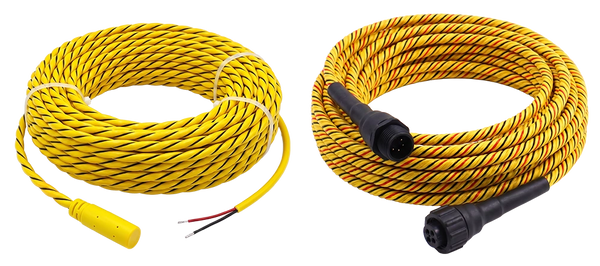
Wetted Material: PE
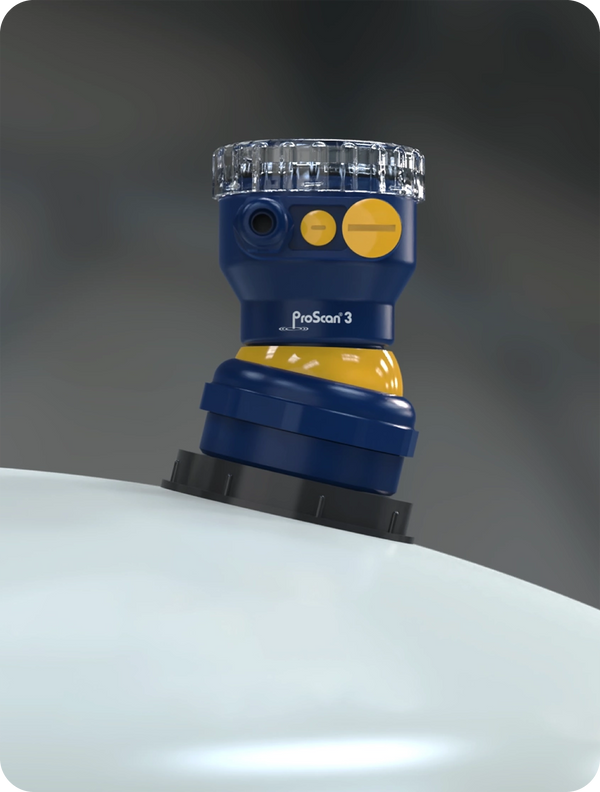
Wetted Material: PVC
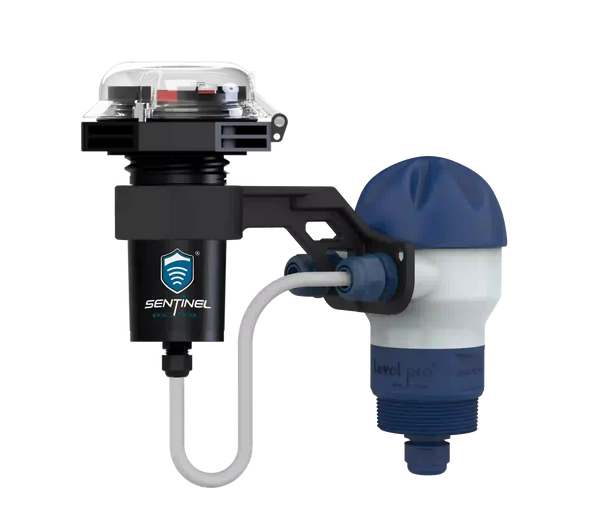
Data Plan
Wetted Material: 316 SS
Wetted Material: GFPP
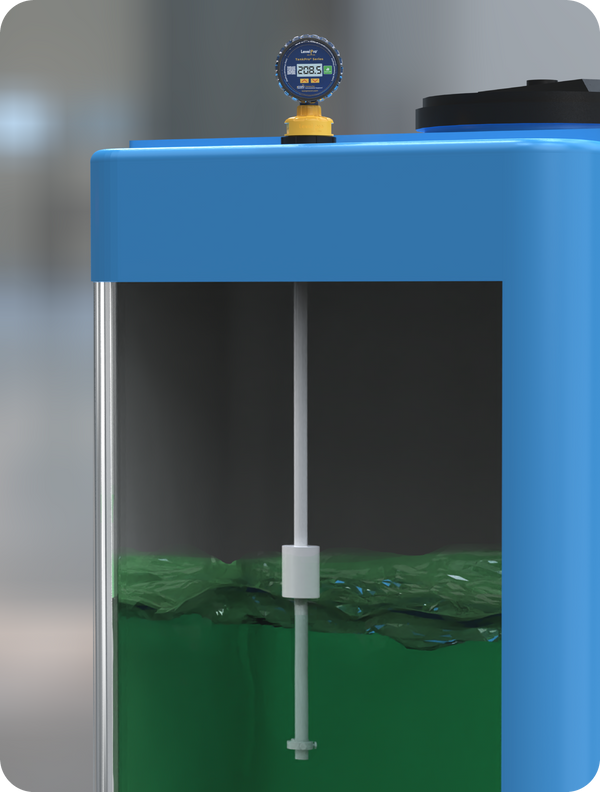
Wetted Material: PVC
Battery
Enclosure
Thermal Printer

Wetted Material: PP / PVDF

Wetted Material: PVC

Wetted Material: PP
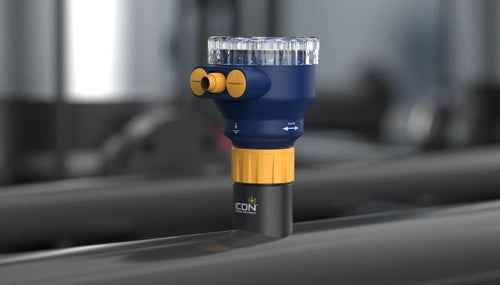
Pipe Size: 2 - 24 in | Wetted Material: CPVC
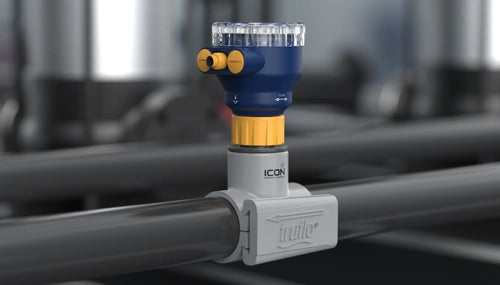
Pipe Size: 2 - 16 in | Wetted Material: PVC
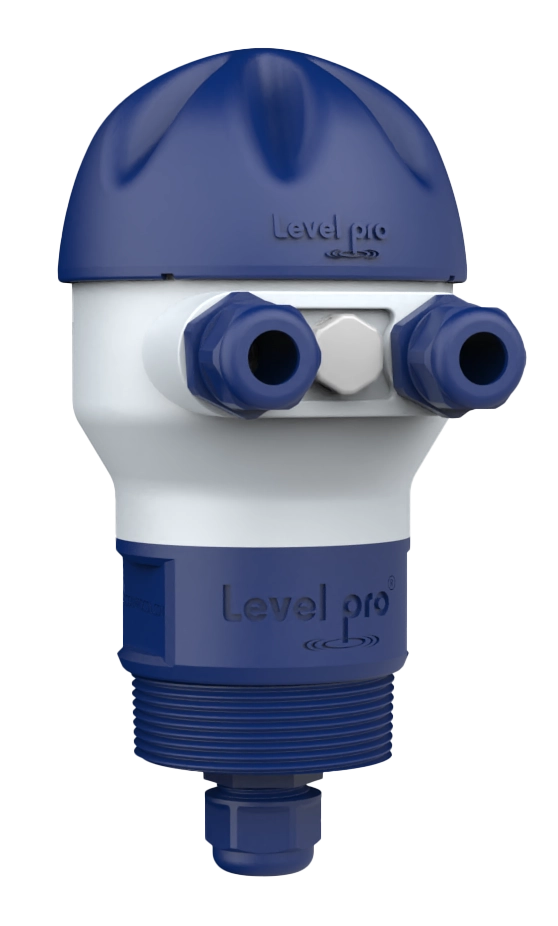
Wetted Material: PP
Icon Process Controls instruments for measuring and controlling liquids in pipes and tanks. Flow: paddle wheel, magnetic, ultrasonic and oval gear meters, plus flow switches. Level: float, tuning-fork and non-contact switches for point level, and radar, ultrasonic and submersible transmitters for continuous level. Pressure: dial gauges with gauge guards, LED gauges, switches and 4–20 mA transmitters, with pulsation dampeners for metering-pump lines. Leak detection and alarms: leak sensors, controllers, sentry alarms and Sentinel tank monitors. Display and control: ITC controllers and data loggers. Everything is quoted: send the liquid, the pipe or tank size and the output you need with a quote request.
A dial is not a signal. If a PLC, an alarm or a pump has to react, use a switch or a 4–20 mA transmitter, or an LED gauge that adds both. A 4–20 mA loop carries the reading and the power on the same two wires; see our 4–20 mA transmitter guide.
A point-level switch says when a liquid reaches one height, for a high alarm, a low cut-off or a pump start. A continuous transmitter reads the level across the whole range as a 4–20 mA signal. See our float switch guide.
Start with what touches the liquid: Icon's plastic gauges have PVC, PP or PVDF bodies, and float switches come in PVC, PP, PVDF or 316 stainless steel depending on model. Check the material against your chemical's SDS before you choose the range. See our pressure gauge guide.
