


 Rolls-Royce


 Bureau Veritas


 Renouveau La Fontaine
 Englobe
 National Defence
 Government of Québec
Overview
How the Water Decanter Works
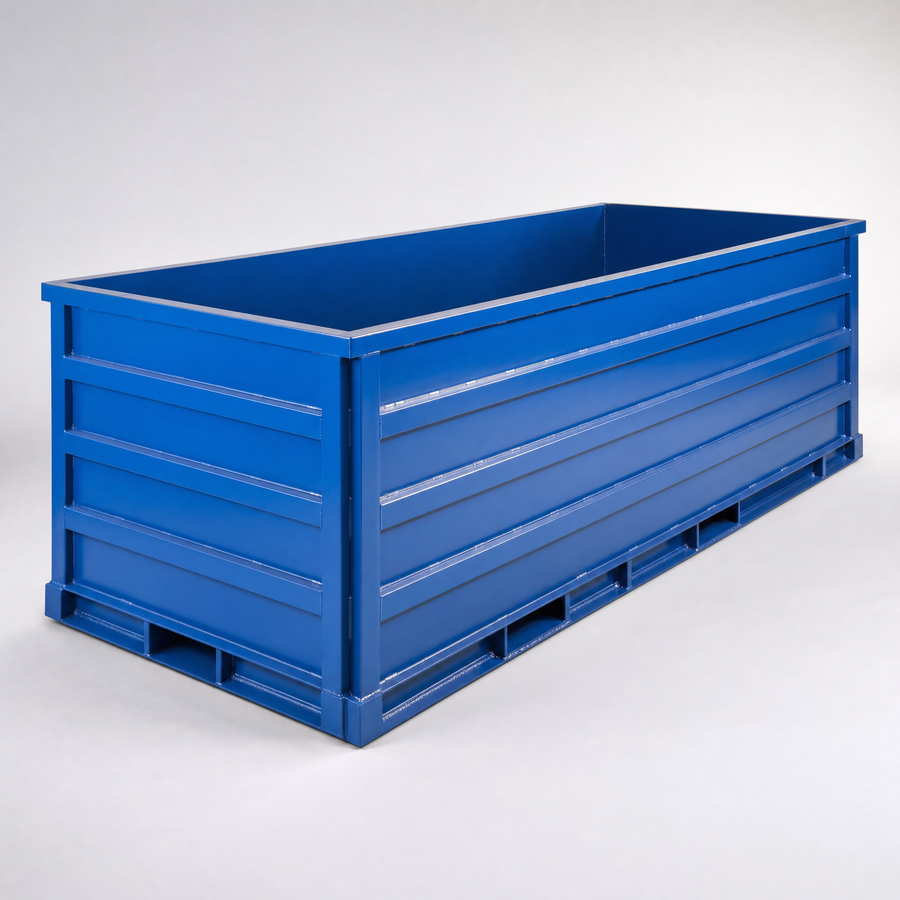
Contaminated water enters the decanter where flow velocity is significantly reduced, allowing suspended solids to settle by gravity. Clarified water is discharged from the upper portion of the unit while settled solids accumulate at the bottom for periodic removal and disposal.
Settled solids are removed and disposed of according to site-specific environmental requirements. ERE can coordinate disposal logistics as part of the rental service, and equipment is cleaned and inspected between deployments.
Key Specifications
| Process | Gravity settling and clarification |
| Footprint | Compact, for space-constrained sites |
| Moving Parts | None in the clarification process |
| Pump Compatibility | Submersible pumps for inlet and discharge |
| Maintenance | Easy-clean design for rapid turnaround |
Applications
- Construction site sediment removal
- Remediation site water clarification
- Pre-treatment ahead of carbon or multi-media filtration
- General turbidity reduction for discharge compliance
- Stormwater management
Questions, answered
How fast will I get a price?
Send the quote request and a specialist replies within 4 business hours, Monday to Friday, 8:00 to 4:30 ET.
Can we pay on account or by purchase order?
Yes. With established credit, terms are Net 30 days, and you can send your purchase order with the quote request. We also accept Visa, Mastercard and American Express.
How is shipping charged?
On quotes and account orders, freight is F.O.B. Montréal: the carrier charge is worked out at shipment from the packed weight and dimensions, and added to your invoice. In-stock items can also be picked up the same day in Montréal (8605 rue du Champ-d'Eau).
Can I return it?
Yes, within 30 days of purchase, with a return authorization number from customer service first. A 25% restocking fee applies, unless it is a defect covered by the warranty. Special orders, hazardous materials, flammable liquids and gases can't be returned. Return policy
Related equipment we stock
RhinoSand™ Zeolite
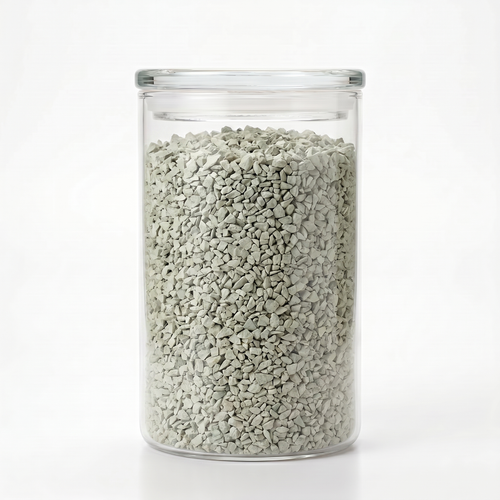
Media: clinoptilolite zeolite | Mesh: 14×40 (0.4–1.4 mm) | Density: 55 lb/ft³ | Filtration: <5 µm nominal | Capacity: 2.6–2.8× sand

Granular Activated Carbon (GAC)
Coconut shell GAC | chlorine/taste/odor | max 110°F | max 125 psig | min 30 psig inlet

Watts® Micro Z - Superior Filtration Media
Zeolite | 14x40 mesh | 5 micron nominal | 12-20 gpm/sq.ft | bed 36-48 in | NSF/ANSI 61 & 372

Water Treatment Activated Carbon Media
Coconut-shell GAC | Iodine ≥1000 mg/g | Hardness ≥97% | Sizes 8x30, 12x40 & powder