


Browse Categories
Department
Dredges
Sediment dredges for lakes, rivers and lagoons: the all-stainless spring-loaded Ekman dredge, 15 and 25 lb bottom dredges with a 6 x 6 in. sampling area, and a sand/silt dredge for coarser bottoms. Tell us the water depth and the bottom type for a quote.


3 products
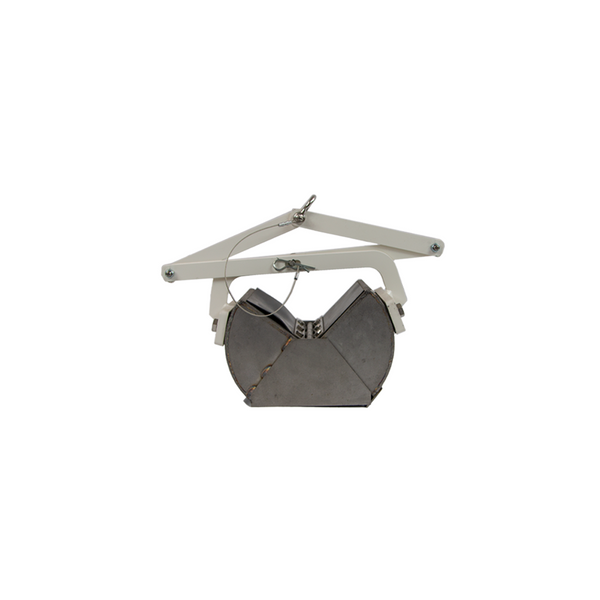
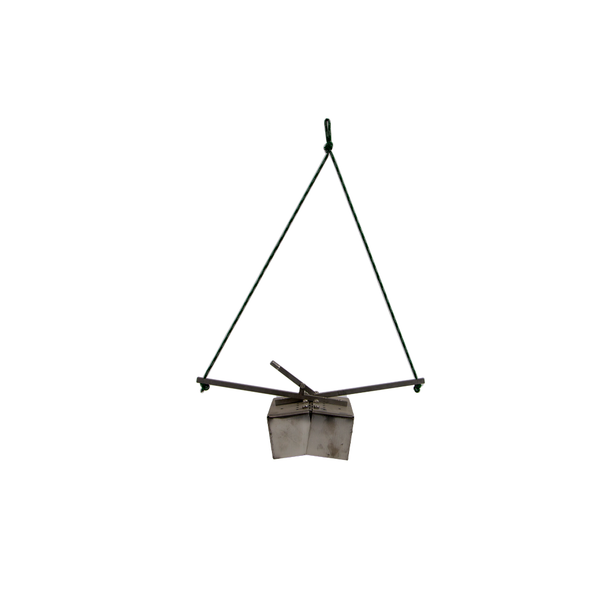
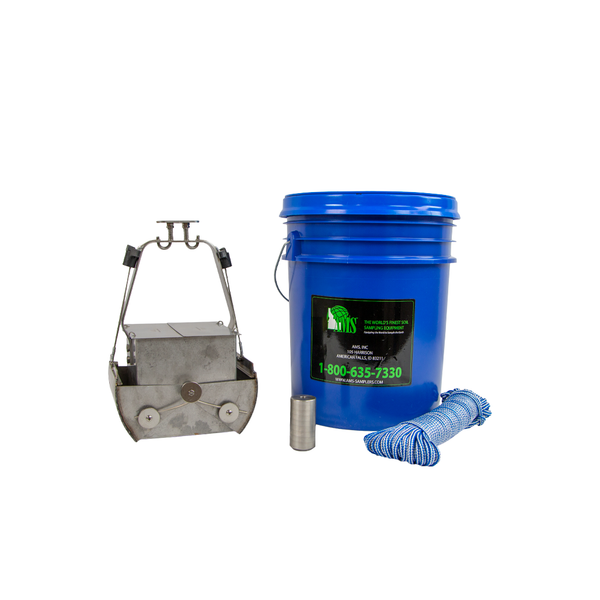
A dredge is lowered on a line to grab a sample of bottom sediment. The AMS Ekman dredge is all stainless steel and spring-loaded: a messenger sent down the rope trips the jaws, and it ships with 100 ft of nylon rope. The 15 and 25 lb bottom dredges take a 6 x 6 in. sample and use their weight to penetrate firmer bottoms, and the sand/silt dredge, made entirely of 300-series stainless steel with a 6 x 7-1/2 in. jaw opening, is built for coarser material.
For core samplers, sludge samplers and the Snapper grab, see sludge and sediment sampling.
Sediment dredge FAQ
Ekman dredge or bottom dredge?
The Ekman dredge is built for soft mud, silt and organic ooze in calm water; it loses sample in flowing water and on coarse or rocky bottoms. On sand, compacted silt or heavier material, use the 15 or 25 lb bottom dredge or the sand/silt dredge. See Ekman dredge vs Snapper vs Swing Sampler.
How do I use an Ekman dredge?
Lower it open, at a steady pace, so the hinged top doors let water through and the dredge does not push a pressure wave into the surface sediment; then send the messenger down the line to close the jaws and raise the dredge.
Grab sample or core?
A dredge collects the surface layer of the bottom in one drop, which suits surface sediment surveys. To see and sample the layers at depth, use a core sampler such as the AMS multi-stage sludge/sediment kit.