
Water Filtration Media Types, Uses & How to Choose
Filtration media is the granular material — carbon, oxidizing sand, alumina, resin or mineral — that sits inside a vessel and pulls a specific contaminant out of the water passing through it. No single medium removes everything; you match the medium to the problem. Here’s how to choose, and the media families ERE supplies.
How to choose the right media
What’s in the water?
Start from a lab analysis — target the actual contaminant, not a guess. Chlorine and taste point to carbon; iron and manganese to an oxidizing media; fluoride and arsenic to activated alumina; hardness to ion-exchange resin.
What flow and vessel?
Media is sized to your service flow rate and bed depth. Get this wrong and the medium channels or under-performs. Send us your flow and vessel and we’ll size it.
One problem or several?
One contaminant = one medium. Several = a multimedia bed or media in series — for example anthracite over a finer medium, or carbon after an oxidizing stage.
Water treatment media
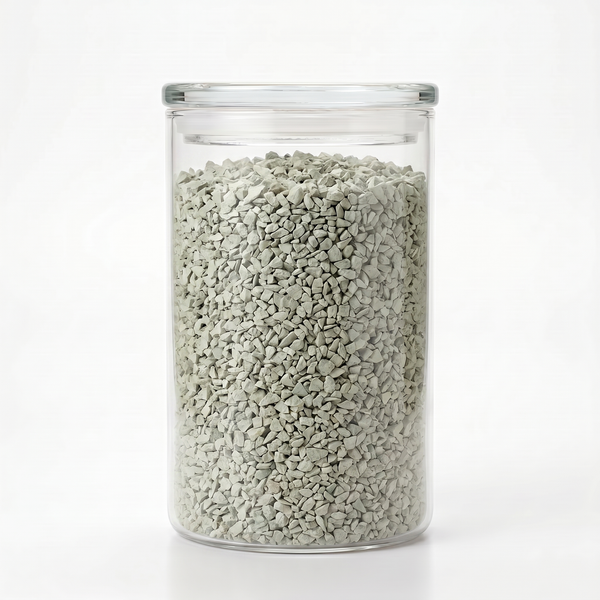
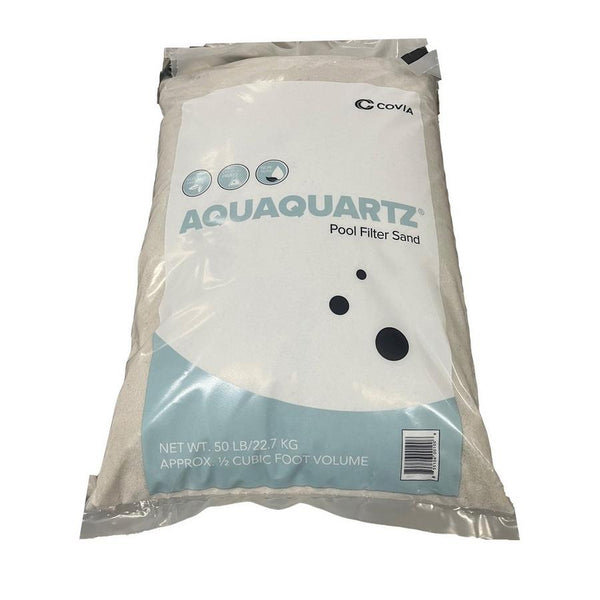
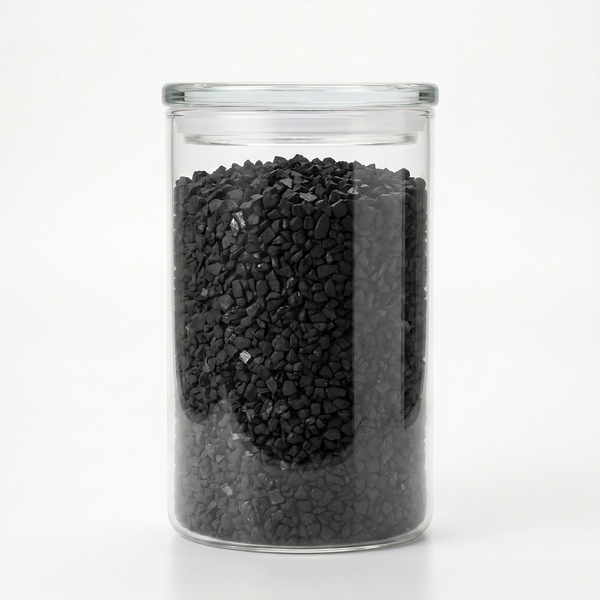
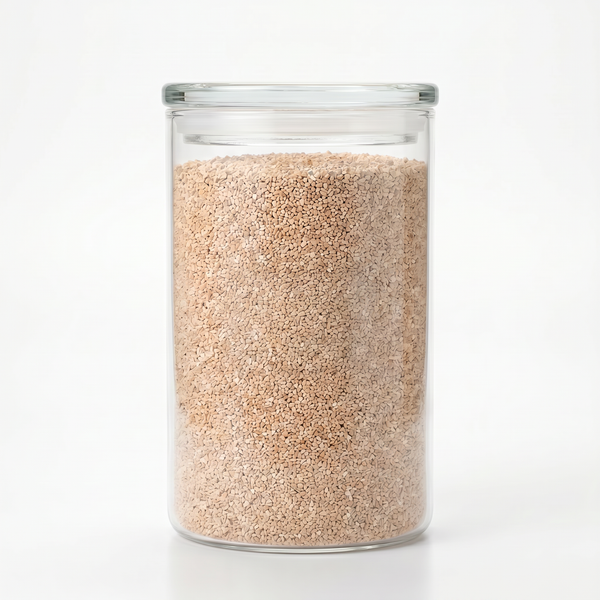
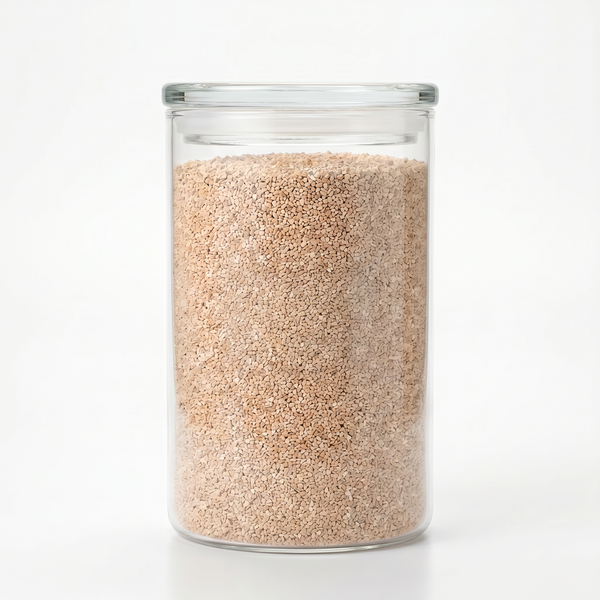
Which media removes what
What each medium removes
Six families cover almost every water-treatment job. Tap through to the product for full specs, datasheets and a quote.
Activated carbon (GAC & catalytic)
Removes: chlorine, chloramine, taste & odour, hydrogen sulfide (catalytic grade), organics / VOCs.
Use for: dechlorination ahead of RO or resin, taste polishing. Catalytic carbon is the grade for chloramine and sulfur odour.
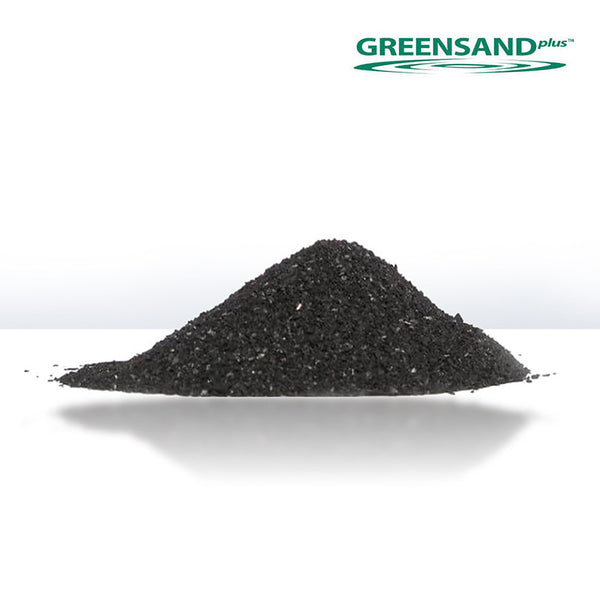
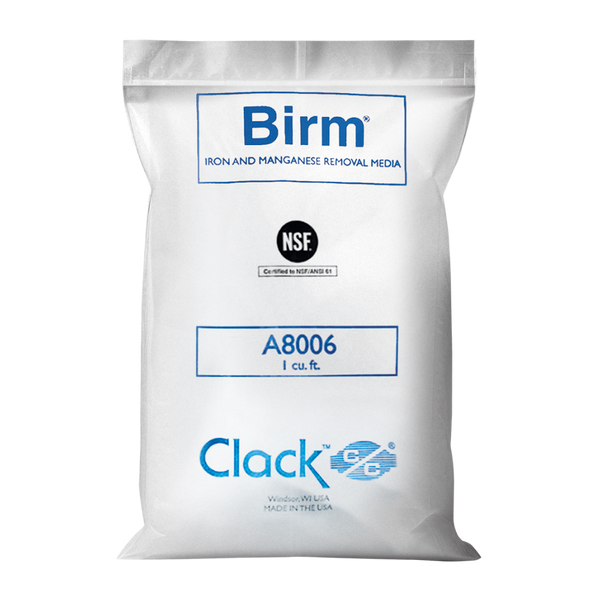
Oxidizing iron & manganese media
Removes: dissolved iron, manganese, and (Filox) hydrogen sulfide — the well-water trio.
Use for: rusty/staining water, black manganese staining, sulfur smell. Greensand needs permanganate regen; Birm is low-maintenance; Filox is high-capacity catalytic.
Activated alumina (fluoride & arsenic)
Removes: fluoride, arsenic (As III/V with pretreatment), some selenium.
Use for: drinking-water compliance where fluoride or arsenic exceeds limits. Performance is pH-sensitive; sizing matters.
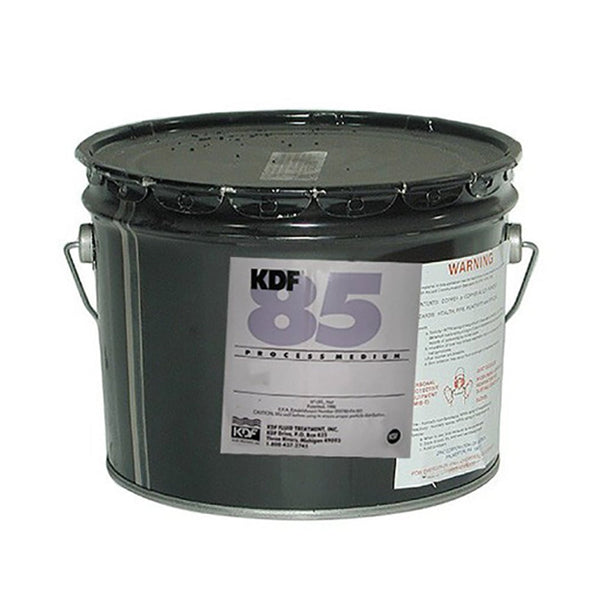
KDF media (heavy metals & bacteriostatic)
Removes: chlorine, lead, mercury, hydrogen sulfide; inhibits bacteria and scale in the bed.
Use for: a carbon companion to extend carbon life, control microbial growth, and pull dissolved heavy metals at point-of-entry.
Ion-exchange resins (softening & demin)
Removes: hardness (cation), nitrate/sulfate/anions (anion), full demineralization (mixed bed).
Use for: softening to protect equipment; low-conductivity lab/process water; targeted anion removal.
Mineral & multimedia (anthracite, zeolite)
Removes: suspended solids, turbidity, sediment; zeolite also reduces ammonia and some metals.
Use for: the layers of a dual-/multimedia bed (coarse anthracite over finer garnet/sand) for longer runs, or standalone sediment reduction.
Match the medium to the problem
-
Iron / manganese / sulfur (well water): Birm (low maintenance) or Greensand Plus; step up to Filox for heavy loads or H₂S.
-
Chlorine, taste, odour, organics: GAC — choose catalytic carbon for chloramine and sulfur odour.
-
Fluoride / arsenic compliance: Activated alumina, sized to flow and pH.
-
Hardness / scale: Cation softening resin; mixed bed for demineralized lab water.
-
Sediment / turbidity: Anthracite, often layered over finer garnet or sand.
-
Heavy metals + carbon-life: A KDF stage ahead of or alongside carbon.
Spec your media with ERE.
Supplying environmental and water-treatment equipment since 1994 — sales, rentals, repair & calibration, coast to coast, bilingual. Send your water analysis and flow rate; we’ll recommend the right media, grade and vessel.
Request a Quote 1-888-287-3732Media replacement & changeouts
Spent media is just a refill, not a new system. Tell us the medium, vessel and volume you’re running and we’ll quote replacement media — by the cubic foot, bag, drum or super-sac — and set up a recurring changeout schedule so your beds never run past breakthrough.
Media selection FAQ
Start with a water analysis. The contaminant dictates the medium — carbon for chlorine and taste, an oxidizing media (greensand, Birm, Filox) for iron and manganese, activated alumina for fluoride or arsenic, ion-exchange resin for hardness. Send us the analysis and we’ll match it.