


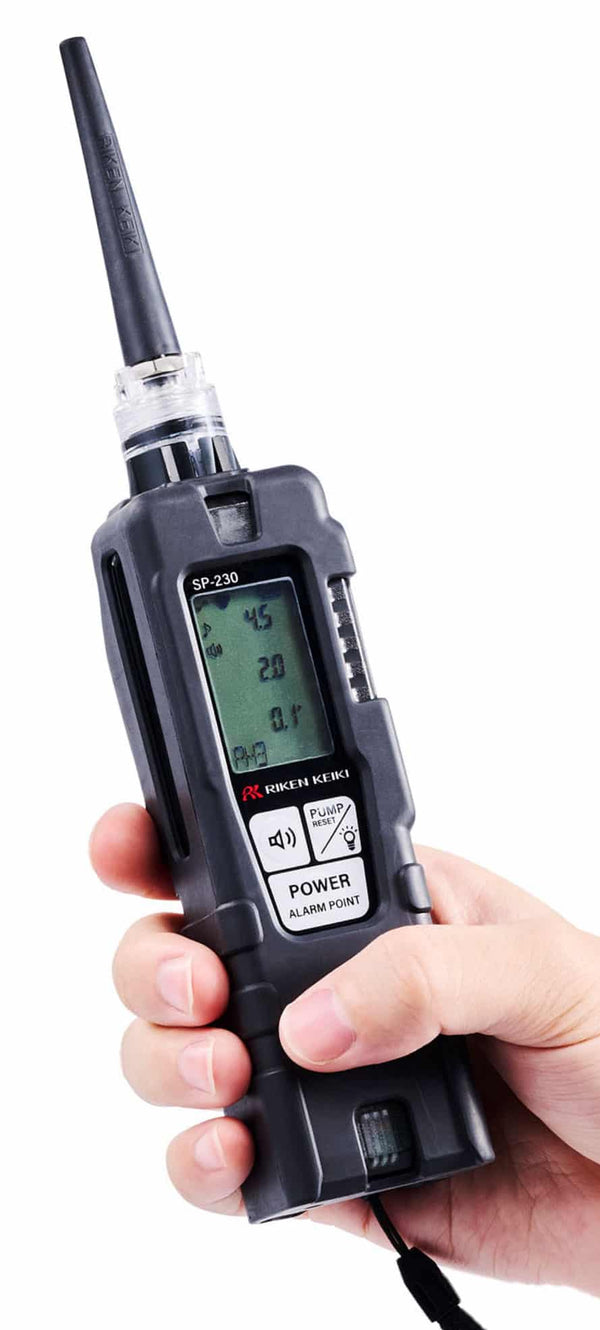
RK-SP-230-FUM
RKI SP-230 Gas Leak Checker (Type FUM / Type SC)
Gases: 50 | Battery Life: 13 hours | Protection: IP67
Price on quote · 4 business hours
Portable gas detectors for confined-space entry, leak surveys and industrial hygiene: 4-gas and multi-gas monitors, single-gas clip-ons, PID and leak detectors from RKI, Dräger and Ion Science. Buy or rent, with calibration and repair from ERE. Request a quote.


Gases: 50 | Battery Life: 13 hours | Protection: IP67
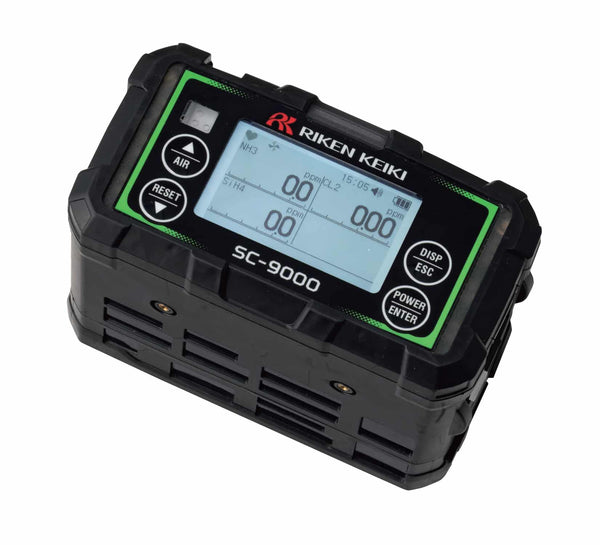
Gases at Once: 3 | Battery Life: 60 hours | Protection: IP66/68
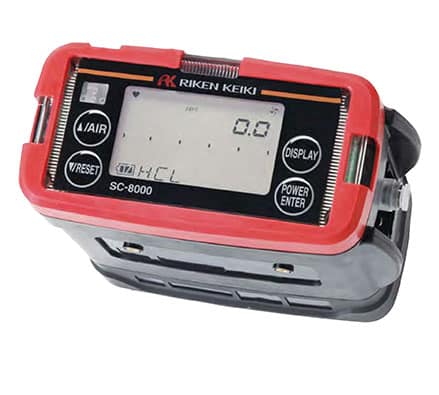
Sensor Options: 25 toxic gases | Battery Life: 25 hours | Protection: IP67
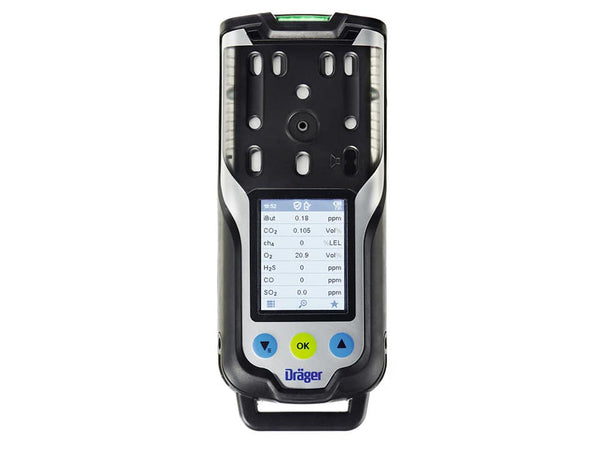
Gases: 1 to 7 | Sensor Slots: 5 | Max Hose Length: 45 m
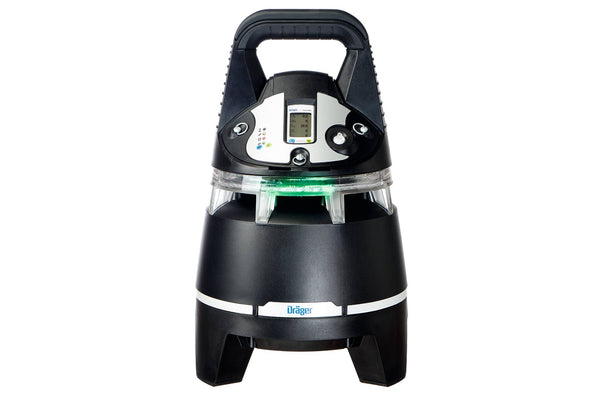
Operating Time: 120 h | Battery: 24 Ah | Weight: 10 kg
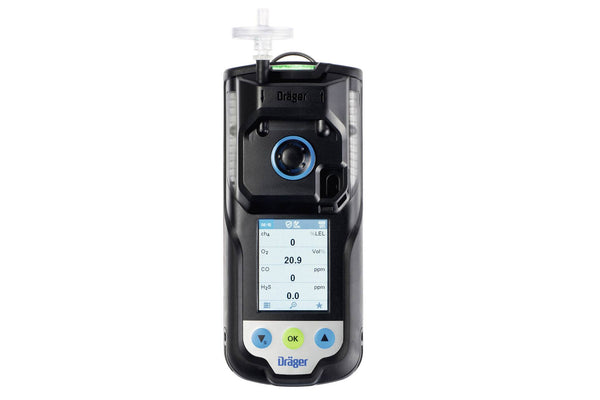
Gases: 1 to 4 | Max Hose Length: 45 m | Operating Time: 24 h
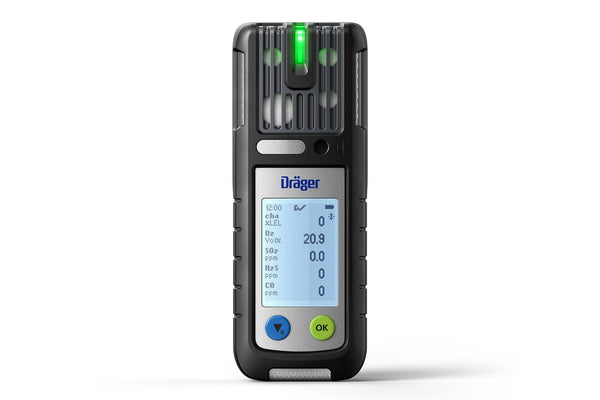
Gases: 1 to 6 | Sensor Slots: 4 | Weight: 220 g
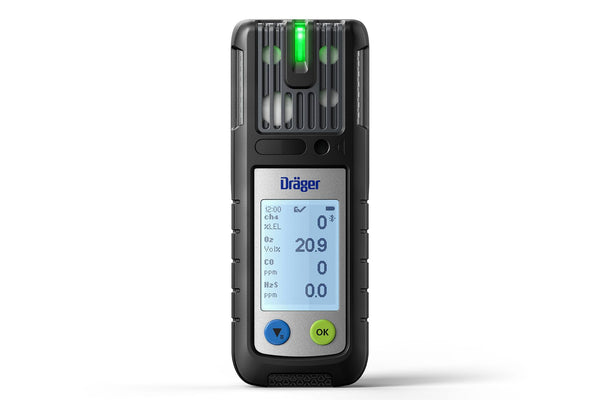
Gases: 1 to 4 | Weight: 220 g | Operating Time: 12 h
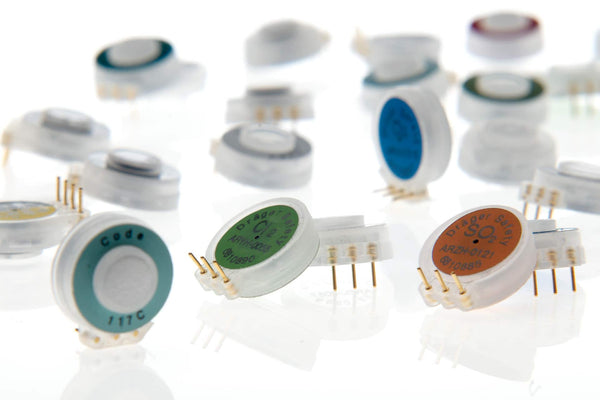
Type: Electrochemical | Gases: O2 / CO / H2S / NO2 / SO2 | Response Time: 15 s (t90)
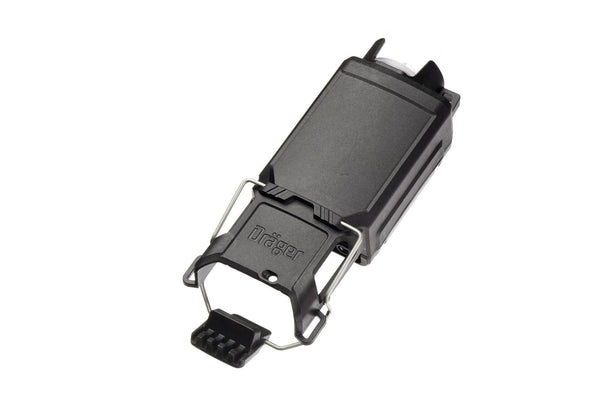
Air Flow: 0.4 L/min | Max Hose Length: 45 m | Operating Time: 20 hours
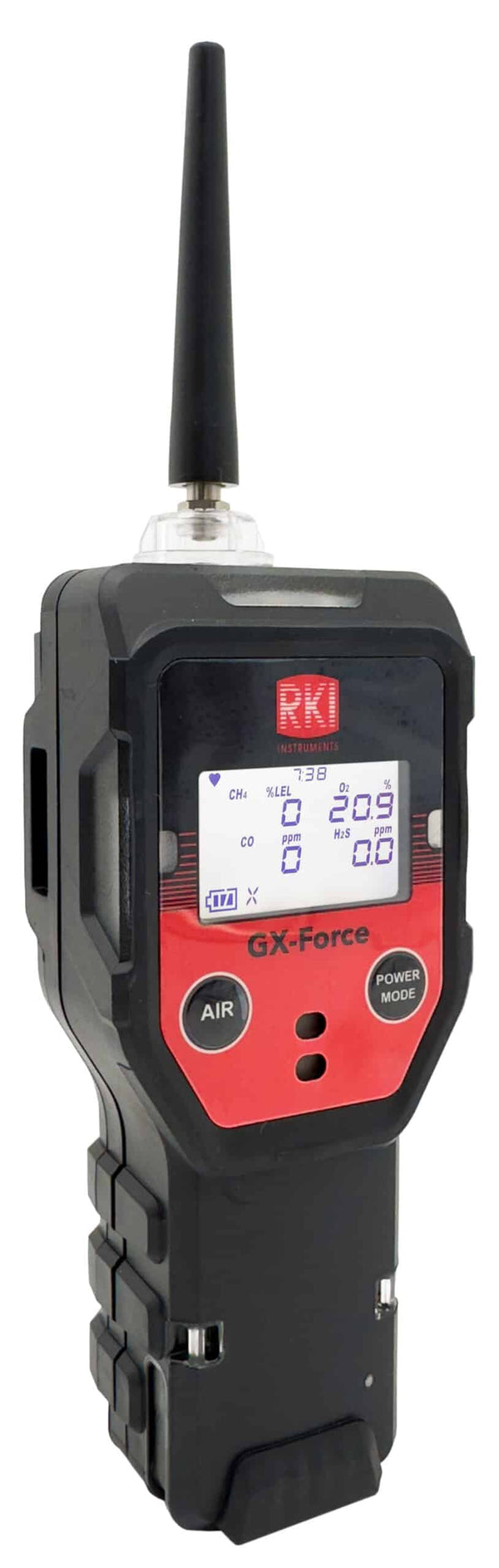
Gases: LEL / O2 / CO / H2S | Sampling Range: 100 ft | Battery Life: 30 hours
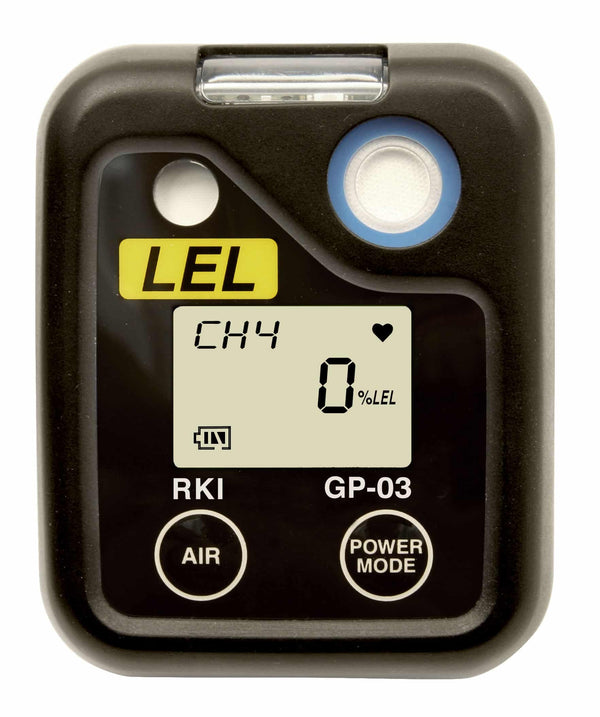
Gases: LEL / CO / H2S | Weight: 80 g | Protection: IP67
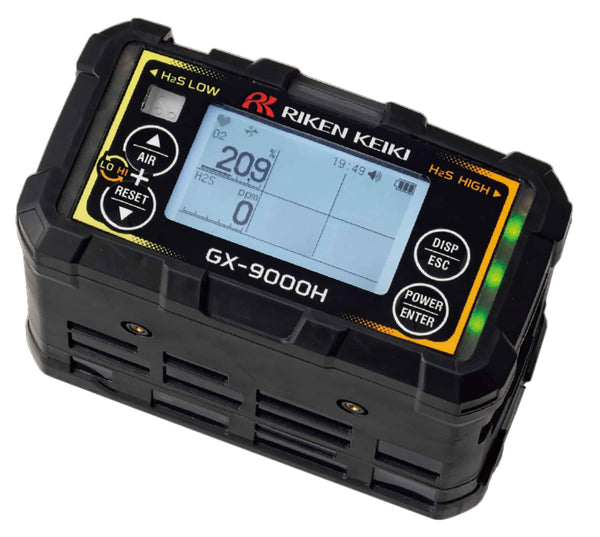
Gases: O2 / CO / H2S / HC | Battery Life: 35 hours | Protection: IP66/68
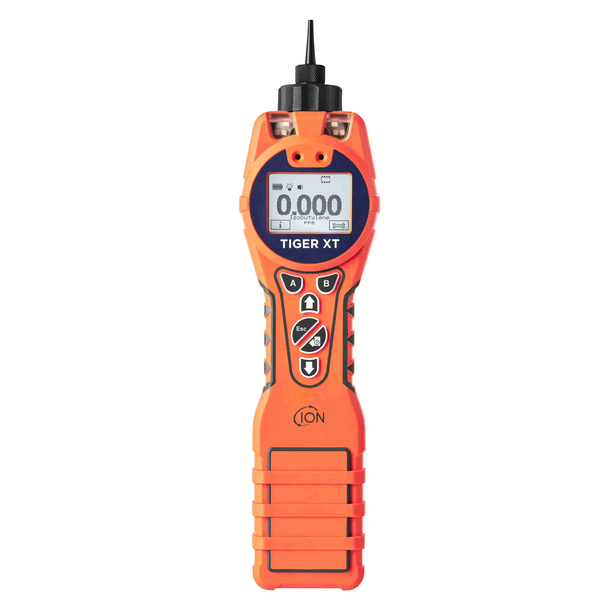
• Tiger XT Instrument (PPM) With Rubber Boot | • Explorer Case
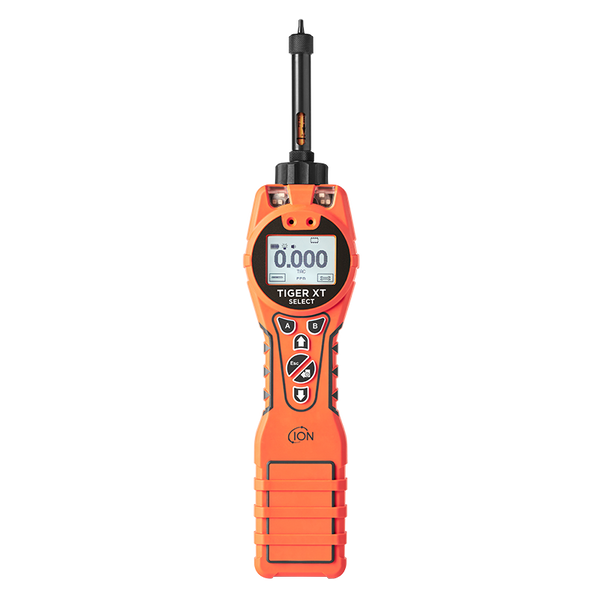
• Standard Mode: 0.1 - 20,000 ppm | • TAC Mode: 0.01 - 20,000 ppm | • Tube Mode: 0.01 ppm - 200 ppm | • Tiger XT Select Instrument (PPM) With Rubber Boot
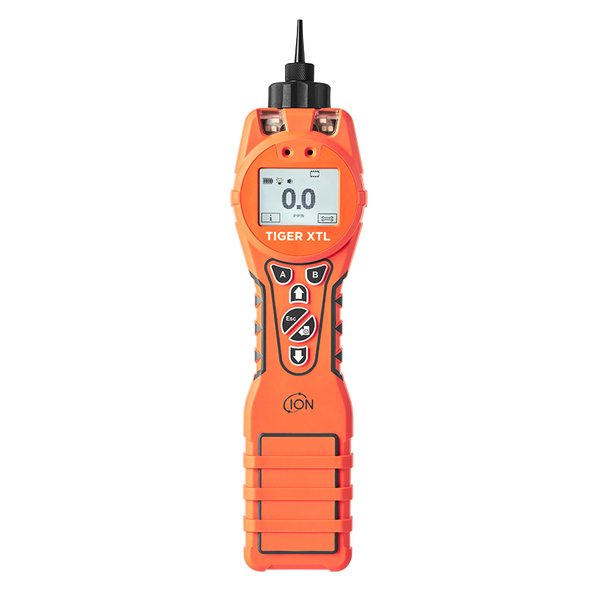
• Tiger XTL Instrument With Rubber Boot
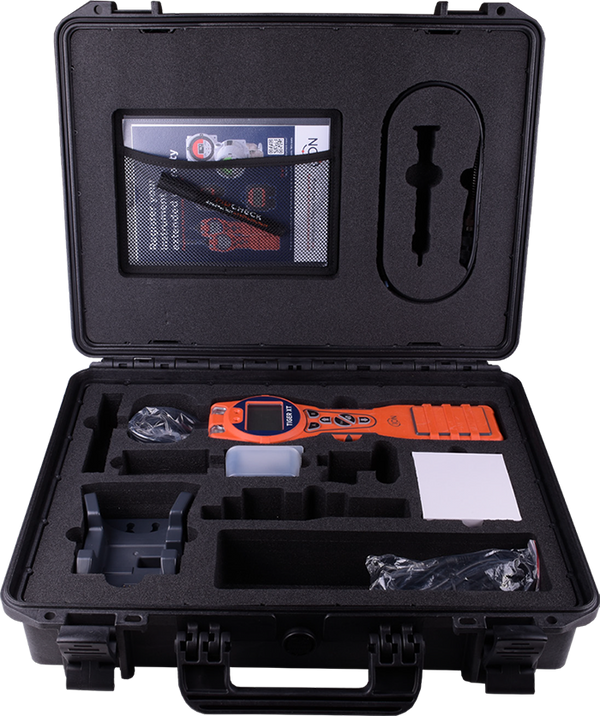
• Tiger XTL Instrument With Rubber Boot | • 1 m Flexi-Probe | • Exhaust Barb | • ''AA'' Tiger XTL Battery Pack

6-gas simultaneous | IP-67 | 28 hr Li-ion runtime | Internal pump 0.45 LPM | 2 interchangeable smart sensor slots

IP-67 | 2 AAA batteries, up to 9,000 hrs | T90 ≤30 sec | -20°C to +50°C | ATEX/IECEx + C/US Class I Div 1

• 20 cm Flexible Probe | • Box Spanner
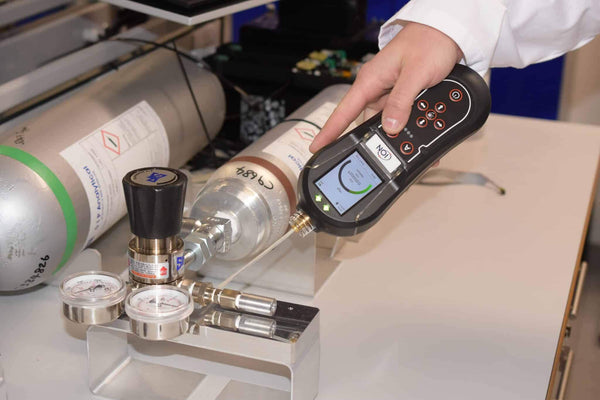

Operating Temp: -5°C to 45°C | Bump Test Time: 8–15 sec | Gas Flow: 300 mL/min | Gas Connections: 3 | Compatible: Pac 3500/5500/6000/6500/7000/8000/8500

IP68 | 64×84×20 mm | 106 g (113 g with clip) | −30 °C to +55 °C | cCSAus / IECEx / ATEX / CE
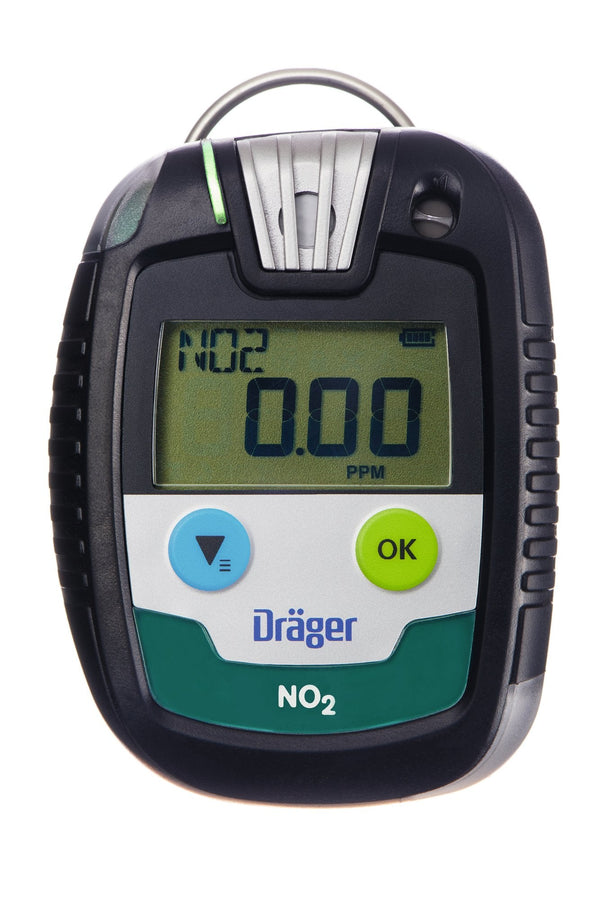
Measuring Range: 0 - 20 ppm | Resolution: 0.1 ppm
ERE supplies professional portable gas detectors for confined-space entry, leak surveys, industrial hygiene and environmental work across Canada. The range includes 4-gas and multi-gas monitors (RKI GX-3R and GX-6100; Dräger X-am 5000 and X-am 5600), single-gas personal monitors, Ion Science PID and leak detectors, and the Dräger X-zone 5500 area monitor.
Every instrument is quoted individually. We also rent gas detectors for a single job or turnaround, calibrate them before they ship, and calibrate and repair many brands, including instruments bought elsewhere. Request a quote and tell us which gases you need to detect.
Most confined-space programs start with a 4-gas monitor that reads combustibles (LEL), oxygen, carbon monoxide and hydrogen sulfide. ERE carries 4-gas and multi-gas models such as the RKI GX-3R and the Dräger X-am 5000, both listed with ATEX, IECEx and CSA certifications. Test the space before anyone enters with a pumped instrument such as the RKI GX-6100 (internal pump, 0.45 L/min), and follow your written entry procedure. Tell us the gases and the space, and we will recommend a model.
A diffusion detector senses the air that reaches it where the worker stands, which suits personal monitoring during the task. A pumped detector draws a sample through tubing, so you can test a space before entry at the top, middle and bottom, because gases layer by density. Some models have a built-in pump and others accept an add-on pump; ask us which fits your instrument.
A bump test briefly exposes the detector to test gas to confirm that the sensors and alarms respond. A calibration adjusts the instrument to a known gas concentration. Follow the manufacturer's manual and your site procedure for how often to do each. Docking stations such as the Dräger X-dock automate bump tests and calibrations. Our bump test vs calibration guide explains both in detail.
Yes. ERE rents single-gas and multi-gas monitors on daily, weekly and monthly terms. Each instrument is calibrated before it ships, and a calibration verification report is available on request. Rentals ship across North America or can be picked up in Montréal. Tell us the gases, the dates and your postal code when you request a quote.
Often, yes. ERE services many of the brands it sells, wherever you bought the instrument, but not every brand, so send us the make and model before you ship. You receive a quote on intake and no work starts without your approval. Calibration certificates are dated within 7 days of dispatch. See Repair & Calibration.