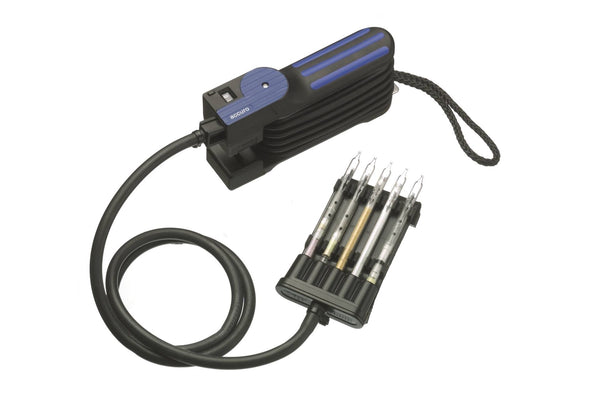
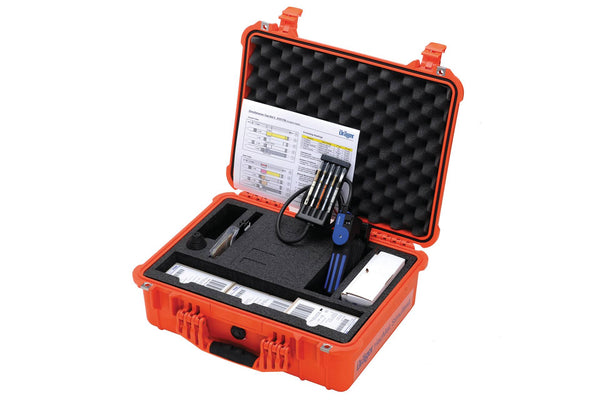
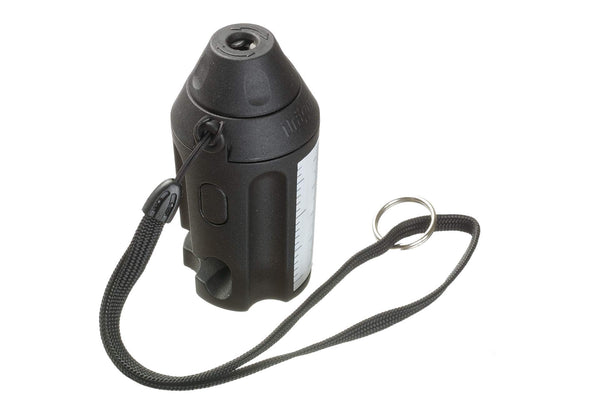
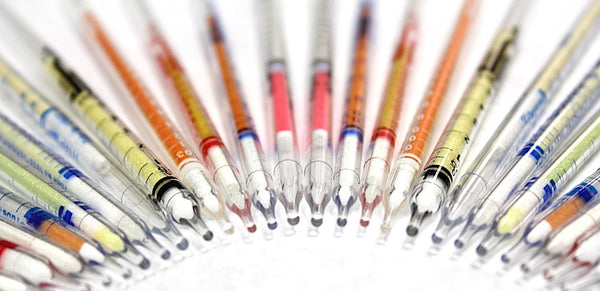
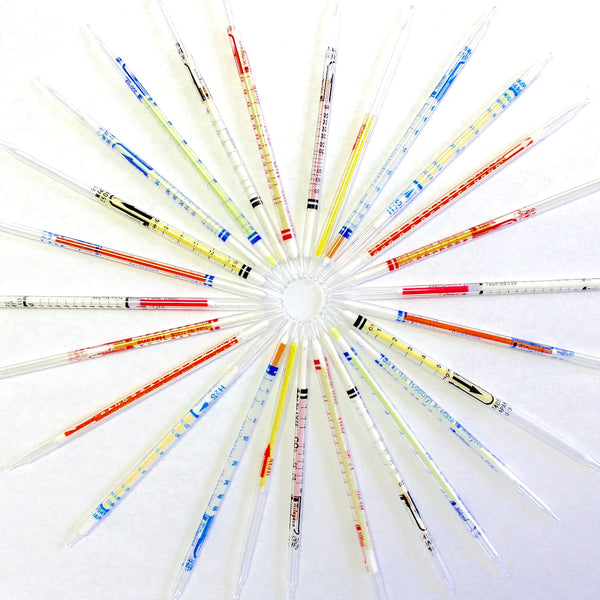
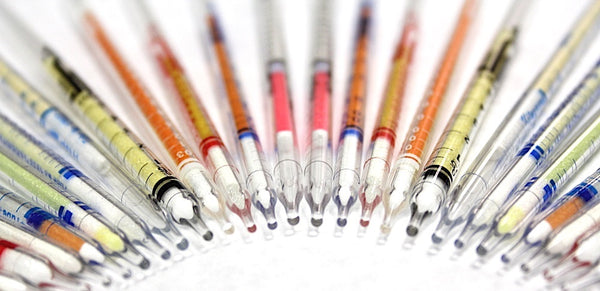
A gas detection tube is a sealed glass tube of reagent that changes colour when one target gas passes through it: break both tips, draw a measured air sample with a hand pump, and read the concentration off the stain length on the printed scale. No battery, no sensor to drift and no calibration gas, because each tube is used once. ERE lists more than 130 single-gas Sensidyne tubes, from ammonia, benzene and carbon monoxide to hydrogen sulfide and vinyl chloride plus DrägerTubes, which cover more than 500 substances. Pumps: the Sensidyne AP-20S piston pump (50 or 100 mL per stroke), the Dräger accuro bellows pump and the automatic X-act 5000 (1 to 199 strokes). Tubes and pumps are quoted.
Gas detection tube FAQ
Tube or electronic detector?
A tube confirms one specific gas at one spot, in 1 to 15 pump strokes. For continuous, multi-gas or broad VOC monitoring, use an electronic detector or a PID; see portable gas detectors and our gas detection tube guide.
Which pump goes with which tube?
Use the pump the tube was calibrated with: the AP-20S for Sensidyne (Kitagawa) tubes, and the accuro, which draws a calibrated 100 mL per stroke, or the X-act 5000 for DrägerTubes.
Can tubes test compressed breathing air?
Yes, for specific contaminants: ERE lists Sensidyne compressed breathing air tubes for water vapour and oil mist, among others. Follow your air-quality standard for which contaminants to test.